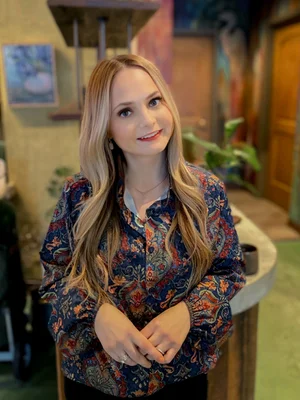
Doing the most with zero confirmation…
Trimester Zero? It’s a Vibe.
Hey Mamas!
If you’ve heard the phrase Trimester Zero lately and thought, “Oh… that’s me,” you’re not imagining things. It’s the season before pregnancy, when intention, preparation, and reality overlap. It’s not a medical term (yet) — it’s language for something women have been doing for years without a name.
Here’s what you need to know… Trimester Zero refers to the preconception period, when someone is thinking about pregnancy and making choices with that possibility in mind — even if nothing is confirmed yet.
That can include: taking prenatal vitamins before a positive test, learning more about cycles, ovulation, or timing, scheduling checkups or fertility consults, adjusting habits that feel supportive, mentally preparing for pregnancy, waiting, or both.
In other words: it’s the phase where you’re not pregnant, but you’re also not not preparing.
If that sounds familiar, yes — you’re already in it.
Why Trimester Zero Gets More Attention After 35… For women over 35 (and especially over 40), Trimester Zero tends to feel more crucial.
By this point, most women know the statistics, understand fertility isn’t guaranteed, are aware of biological timelines have felt the emotional weight of waiting.
Trimester Zero acknowledges that reality without turning it into panic. It recognizes that early pregnancy begins before most people even know they’re pregnant — biologically and emotionally.
The takeaway: this season matters too.
What Trimester Zero Is Not… Let’s be clear. Preparation does not eliminate uncertainty. Care does not guarantee outcome.
The Emotional Part (That No One Sees)… This is the invisible labor phase. There’s no announcement, no ultrasound, no milestone other people recognize; there’s just quiet hope, private decisions, emotional restraint and patience that’s harder than it sounds.
Naming Trimester Zero matters because it validates that this waiting is real work — even if it happens entirely behind the scenes.
Bottom Line… The Trimester Zero trend is giving language to a season many women are already living in — especially those navigating fertility later in life. It simply says: what you’re doing right now counts.
If you’re preparing without certainty, waiting without clarity, and showing up without guarantees — You’re in Trimester Zero.
And, welcome!
fertility newsThe “Wait…WHAT?” Pregnancy Edition
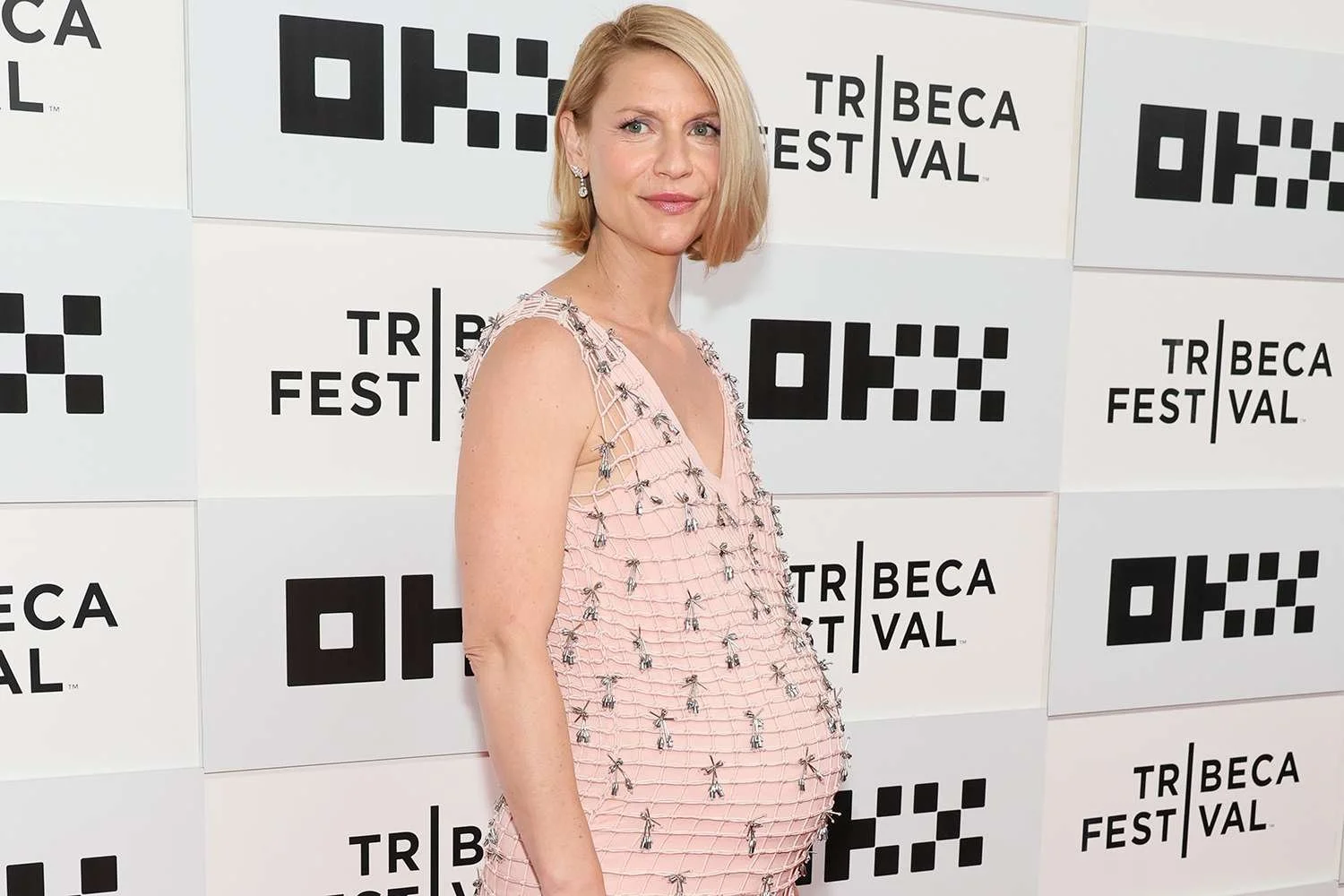
It started with a full-blown spiral… Claire Danes just admitted she had a total meltdown when she found out she was pregnant with baby number three at 44.
On Amy Poehler’s Good Hang podcast, she confessed she called her OB-GYN in absolute, convulsive tears — drama, panic, and all.
Picture this: you’re 44. You’ve already done the fertility gauntlet. You’ve injected the things, tracked the things, scheduled your life around ovulation like it’s a VIP event. You went through IVF. Twice. You had your second baby. You made peace with how it all happened.
And then five years later… surprise.
This is totally not some unicorn moment. Women in their 40s are getting pregnant and having babies all the time across the world. Some of those pregnancies are carefully plotted like a Bravo reunion, and some are shockers. A full, jaw-on-the-floor, stare-at-the-test, question-your-entire-understanding-of-biology moment.
Because for some? That chapter was closed. Archived. Filed under: We Needed Science For That.
We’ve all absorbed the same headline: after 35, fertility nosedives. After 40? Forget it. The window slams shut. The music stops. Biology clocks out.
Except… it doesn’t actually slam shut. It creaks. It wobbles. It becomes less reliable. But it doesn’t just disappear overnight.
Every year, thousands of women in their 40s get pregnant. Some planned. Some absolutely not. In fact, conceptions among women over 40 have hit record highs in recent years.
This isn’t folklore. It’s happening quietly, all around us.
But culturally? We still act like a 44-year-old pregnancy is a plot twist.
Here’s where it gets emotionally spicy... A lot of these surprise pregnancies happen to women who previously struggled to conceive. Women who were told they had PCOS. Women who needed IVF. Women who spent years believing their bodies just didn’t cooperate.
IVF doesn’t always mean you’re incapable of conceiving without it. Often, IVF helps with timing, ovulation patterns, or specific barriers. It doesn’t permanently switch off natural fertility.
PCOS: The Uno Reverse Card… For women with PCOS, ovulation can be irregular for years. Cycles can be unpredictable. Timing can feel impossible.
Then perimenopause rolls in, hormones shift, and in some cases, cycles temporarily stabilize. Not forever. Not consistently. But enough.
So imagine spending your 20s and 30s thinking ovulation is rare for you… only for your 40s to randomly serve you a more predictable cycle.
If no one warned you this was possible, you would absolutely assume pregnancy was off the table.
Which brings us to…
The contraception complacency… After years of fertility issues, a lot of couples quietly retire contraception.
“If we needed IVF before, this isn’t going to just happen.”
Except ovulation improves slightly. Timing aligns. And suddenly the “this would never happen” scenario… happens.
Medical experts are very clear: until you’ve gone 12 straight months without a period, you’re not officially in menopause. Which means ovulation can still occur.
Which means pregnancy can still occur.
So what do we do with this?… We update the narrative. Fertility after 40 is lower. It’s a little bit riskier. It’s less predictable. But it’s not zero.
IVF doesn’t permanently label someone “incapable.” PCOS doesn’t equal lifelong impossibility. Perimenopause isn’t a clean ending.
And if you find yourself staring at a pregnancy test at 44 thinking, “This has to be a joke,” just know:
Your ovaries aren’t done with you until they’re really done.
And until then?
Just ask Claire Danes.
Related: 30 Celebrities Who Conceived in their 40s | ‘Geriatric’ Mamas| Jessica Rizzieri
what we're reaching forFertility treatment hormone shifts and bloating makes getting dressed feel hard. Here’s a comfort-first guide to what actually feels good to wear during fertility treatments.
We wanted a way to unwind without alcohol; especially in trimesters zero, one, two, three four and five. Here’s why one tincture made the cut.
Hot Mom Summer?! If you’re curious about feeling confident, energized, and actually comfortable in your body without injections, pills, or TikTok trends, this one’s worth a click.
If your supplement routine is starting to feel like a full-time job, this is your sign to pause. Fertility supplements, label-checking, and why more isn’t always better during TTC.
the week at a glanceIn Stripped Down: Unfiltered and Unapologetic, Bunnie Xo gets real about her fertility struggles. No gloss, no filters. Now, she and Jelly Roll are planning to welcome twins via surrogate — and it feels hopeful, hard-earned, and completely their way.
Mrs Universe South Africa 2025 Candice Williams joins Elana Afrika-Bredenkamp’s Baby Brunch and gets real about how IVF made motherhood possible for her.
“Waited so long for her” is how comic and writer Tanya Hennessy announced her baby — and honestly, you can feel the years in that sentence. After a long fertility struggle, she’s finally holding her little girl.
From Hong Kong Love Story to Miscarriages and a God-Sized Plot Twist: How Katie Barringer’s Family Grew Through Loss, Faith, and the Most Unexpected Turns at age 49.
Celebrities Who Got Real About Infertility— because behind the red carpets and Instagram announcements, some of them were giving themselves hormone shots in sweatpants.
'geriatric' timingThe Unexpected Luxury of Having a Baby in Your 40s
A recent Vogue piece explores the glories of having a baby in your 40s — and what stands out most is this… For many women, later motherhood feels intentional.
There is a completely different vibe to having a baby at 40 versus 28. At 28, you’re still kind of auditioning for your own life. At 40, you’ve already survived it.
By then you’ve had the career pivots. The heartbreak that almost took you out. The bad friend breakups. The therapy. The second round of therapy because the first round only scratched the surface. You’ve done the dramatic exits and the humble apologies. You actually know who you are.
You’re not performing adulthood anymore. You are the adult.
One of us had a baby at 39 and the difference in how we handled stress compared to our early 30s? Wild.
That steadiness changes everything.
In your 40s, you know what you need. You know if you need sleep more than you need to impress people. You know if you’re the kind of person who needs help and you’re less weird about asking for it. You’re not curating motherhood for public consumption. You’re building something that actually works.
Friends who had babies at 41, 42, 43 all say the same thing: they’re not trying to be the perfect mom. They’re trying to be the sane one. The sustainable one. The one who doesn’t burn out because she was too proud to accept a casserole.
By your 40s, there’s often more breathing room. Maybe you can afford the night nurse for a week. Maybe you can take leave without calculating the exact number of diapers you can buy after. That kind of stability lowers your baseline anxiety in a way no meditation app ever could.
Of course, it’s not all chic maturity and calm energy… Pregnancy after 40 can mean fertility treatments, more appointments. More monitoring. More doctors using the phrase “advanced maternal age” like it’s a personality trait. Recovery can feel slower. Sleep deprivation can hit like a truck instead of a nudge.
You’re not 25. Your body will remind you.
But emotionally? You’re stronger.
You’ve… mostly let go of the fantasy version of motherhood. You’re not expecting a glowing montage set to soft music. You know it’s going to be hard. So when it is hard, you don’t feel personally betrayed by the universe. You’re like, “Right. I knew this. I signed up for this. I did treatments for this.”
And maybe that’s the secret advantage.
By 40, you’ve survived enough to understand that phases pass. A bad night isn’t the end of your identity. A hard week doesn’t mean you’re failing. You’ve seen worse. You’ve been worse. You’ve come back from worse.
There’s no perfect age to become a parent. But for some women, their 40s come with something their 20s just didn’t have yet: clarity. Less proving. Less panic. More perspective.
And honestly? That changes the whole experience.
GM News by: Sonia Tapley
Want to get the latest fertility and pregnancy news sent to your inbox?
*This is a sponsored post.