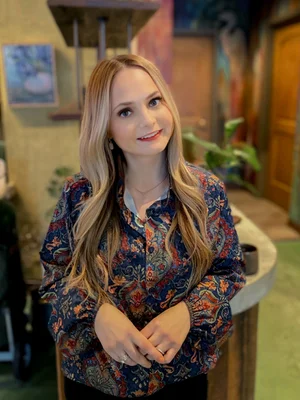
The Six-Week Postpartum Checkup Myth
There’s something about it that just feels… off— because we’re not actually done healing yet.
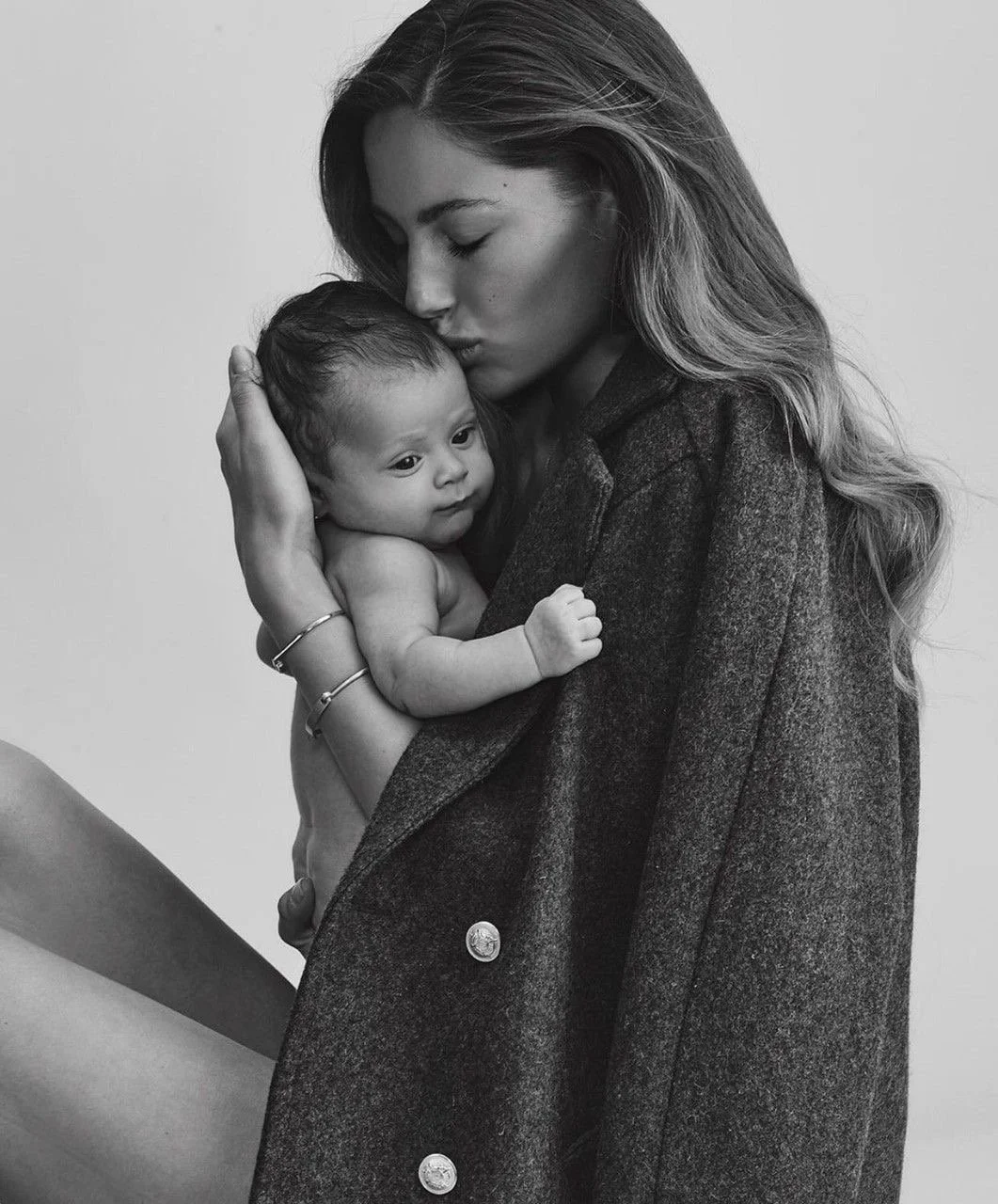
Photo source: Unknown
PREGNANCY newsThe Six-Week Myth Women Are Finally Done Trying to Believe
We’re told—that we’re “healed.” Cleared. Ready to move on. Back to normal… And for a lot of us, especially becoming moms a little later in life, that just doesn’t match the reality we’re living in our bodies. Because the truth is, healing after having a baby isn’t a six-week situation. It’s layered, cellular, hormonal, emotional and spiritual. It takes scientifically proven time.
According to what’s being shared in maternal health conversations… It can take around 180 days just for cellular repair to begin settling. A full year for physical stability to really return. And up to five years—five—to feel like you’ve fully come back into yourself again. It doesn’t mean something is wrong with you if you’re still feeling off even a year after having your miracle babies. It means your body is doing exactly what it’s designed to do—rebuild, recalibrate, and integrate one of the most life-altering experiences it can go through. And yet, at the same time, we’re living in a culture that expects women to bounce back in weeks. To smile, to show up, to keep everything moving. Especially for moms over 35, who often already carry more responsibilities, more awareness, and oftentimes… a deeper emotional experience of motherhood.
There’s a growing awareness in 2026 around the first year postpartum being the most vulnerable time for mothers… Not just physically, but mentally and emotionally. In fact, mental health challenges—including suicide and substance-related struggles—have become leading causes of maternal mortality. That’s something to sit with. Because it means that what we’ve been minimizing—exhaustion, identity shifts, anxiety, overwhelm—isn’t small. It’s real. And it deserves support that goes far beyond a single six-week appointment.
So the shift is about softening expectations… Letting yourself heal slowly. Letting your body, hormones and mental health take the time it needs without questioning it. Letting your identity evolve instead of trying to snap back into who you were before. And also… letting yourself be supported. Whether that looks like talking to someone, asking for help, resting more than you think you “should,” or just being honest about how you’re actually feeling—it all counts. If you’re in that first year—or even a few years out—and still finding your footing, you’re still healing and you’re not alone.
Related: How Long Will It Take for Your Hormones to Regulate Postpartum?
what we're reaching for🍋 Sati Soda’s lemon-lime blend is one of those things that just makes our routine feel more elevated without trying too hard. It has this really calming, clear energy from the CBD and adaptogens like lion’s mane and ashwagandha, so we feel relaxed but still present.
🤍 A space for women fully in it—IVF, pregnancy after loss, high-anxiety pregnancies—the emotional roller coaster no one warned us about. It’s everything the “just relax” crowd doesn’t understand.
🧳 The packing cubes that make life feel curated and calm—with everything tucked into its spot, we’re actually able to see what we packed, and suddenly the whole day vibes… a touch more peaceful and under control.
🌿 We’ve been using these and the difference in our face and ankle swelling is actually noticeable. It’s this blend of herbal ingredients that supports lymphatic drainage and helps your body move things along (which, honestly, we all need), and somehow it just works.
PARENTING NEWSEveryone Is Talking About the “Baby Gap” Right Now
The US fertility rate hitting record lows, and it’s not just a statistic... It’s a reflection of how people are actually living their lives. As of April 2026, births in America have dropped to levels we’ve never seen before, and it’s been a steady decline for almost two decades.
People are calling it the “baby gap,” which sounds kind of simple… It’s not that people suddenly don’t want kids. A lot of people still do. It’s that having a child now comes with this overwhelming weight of financial pressure, and it’s changing how people make decisions about their future. If you really think about it, everything is more expensive right now. Housing alone feels out of reach for so many people. Buying a home, or even renting something stable, can feel overwhelming. And then you add childcare into the mix, which can cost as much as a second rent payment every single month. It’s not just a lifestyle choice anymore. It’s a financial strategy just to get through.
Then there’s student debt... So many people are still paying off loans well into their 30s and even 40s. That kind of long-term financial commitment makes it really hard to feel ready for something as permanent and emotional as raising a child.
Fertility has become part of the conversation… Treatments like IVF have opened so many doors for people who want to become parents, which is amazing. But the cost can go beyond $60,000, and that’s not something most people can just absorb.
The “baby gap” It’s creating a bigger national conversation about what it means for the future... Fewer births can affect the workforce, the economy, and even how communities grow. But when you zoom back in, it’s really about individuals sitting at their kitchen tables trying to figure out if they can afford diapers, daycare, and everything else that comes with a baby.
At the same time, people are redefining what motherhood and family look like... Some are choosing to have fewer children. Some are waiting longer. Some are deciding not to have kids at all and focusing on other parts of their lives. And honestly, there’s something kind of empowering about people being more intentional, even if the reasons behind it are complicated. The baby gap results from a mix of economic pressure, shifting priorities, and the reality of modern life. And while the headlines make it sound dramatic, it’s not just about a declining number. It’s about people trying to create a life that feels stable, meaningful, and actually manageable. And right now, for a lot of people, adding a child to that equation just doesn’t feel possible.
Related: The potential impacts of the U.S. birth rate decline
the week at a glance 💌 The trailer for Lainey Wilson: Keepin' Country Cool shows Lainey Wilson’s journey in a way that feels really unfiltered, from small, scrappy moments to major career highs. But what makes it hit differently is how honest it is about the tension so many women feel between building a career and starting a family.
💌 Scientists at University of California San Francisco mapped nearly 1.2 million cells to understand the connection between a mother and her baby, and it’s kind of mind-blowing. They found new cell types and even pinpointed what may cause complications like preeclampsia, preterm birth, and miscarriage.
💌 Elsa Hosk, 37, just announced she’s six months pregnant, and it feels really personal and effortless. She shared the news with a soft photo alongside her daughter Tuulikki and her fiancé Tom Daly, calling her baby a “little nugget,” which is honestly so her. It’s one of those moments that feels intimate but still really joyful.
💌 Jessica May turns her IVF journey into something raw, emotional, and really necessary to experience. Her debut painting exhibition follows her four-year journey through infertility and IVF, and it’s not filtered or polished.
💌 Charlotte Cripps shares that it cost her £80,000 to have her daughters after 40, and that’s not even unusual. It’s amazing what’s possible now, but it’s also important to be honest about how much it can take physically, emotionally, and financially.
💌 Nadia Bartel is sharing her experience with her miscarriage and speaking openly about how her IVF journey has been, both physically and emotionally.
💌 Bozoma Saint John is letting people see the in-between part of the IVF journey. At 49, she’s in her third round of hormones with her fiancé Keely Watson, while also starting to talk about what it means to “get practical,” like donor eggs or adoption.
💌 Jilly Gallagher is speaking out about how intense IVF can be, from daily stomach injections to the physical and emotional toll it takes. Now, a new treatment is being tested that could eliminate those two weeks of hormones, which feels like such a shift for anyone navigating fertility, especially cancer patients and women with hormonal conditions.
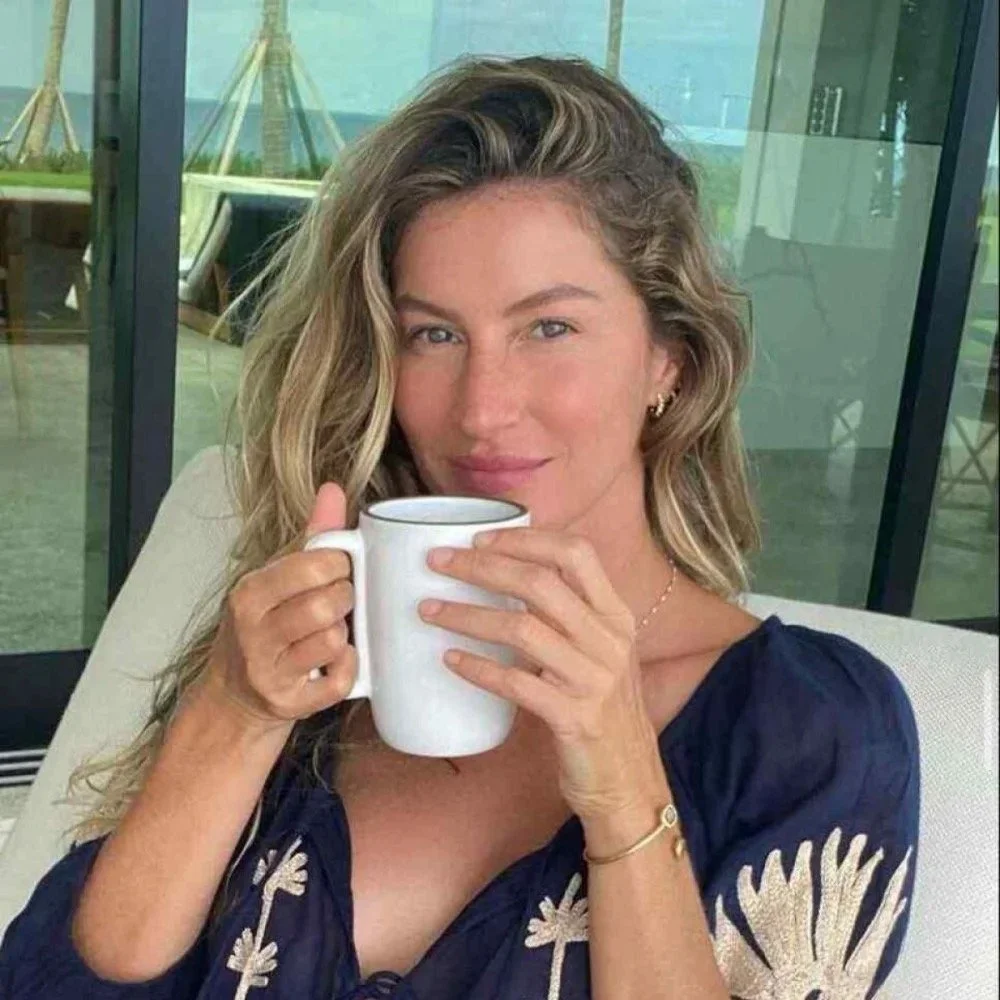
Photo: Gisele Bundchen/ Instagram
HEALTH & WELLNESS NEWSDrinking Hot Water is Actually A Whole Body Wellness Thing
Per our last email, (just kidding— but seriously)… Drinking more warm water isn’t just about hydration. Everyone talks about hydration, but when you start thinking about it in terms of your inner biome, it becomes a whole different thing.
Dr. Ellie Byun describes the inner biome as the foundation of health, beauty, and longevity… And that really changes how you approach even the smallest habits. Warm water is gentler on your system, especially first thing in the morning. It helps your digestion wake up instead of shocking it, which is kind of what cold water can do.
If your gut is supported, everything else starts to align... Your skin looks clearer, your energy feels more steady, and your hormones can become more balanced. It’s all connected, and we oftentimes forget that.
Warm water also helps your body stay in a more relaxed state... It supports circulation and makes it easier for your system to process what you eat throughout the day. It’s not complicated, but it is consistent. It’s one of those small shifts that feels almost too easy, but it actually supports your body in a deeper way.
Read the full story: You Should Be Drinking More Hot Water—Here’s Why
what we're reaching for continued...🍷 When we wanted something to take the edge off without drinking—whether it was preconception, during any trimester, or honestly through this whole motherhood journey—we’ve reached for a calmer, cleaner option. This tincture was the one that worked.
🍊 Feeling bloated and just... off lately? Same. This is one of those tiny daily things that actually makes a difference—just a few drops and you feel like you’re at least trying to have your life together. We use it, our kids use it, and it’s officially part of the routine.
👖 Fertility hormones and bloating are literally the worst—getting dressed some days feels like your own body is sabotaging your vibe. So here’s our comfort-first guide to what actually feels good during fertility treatments—because if you’re already injecting hormones, the absolute bare minimum is pants that aren’t emotionally aggressive.
From the ‘Geriatric’ Moms Group Chat🥰 The facts of the play date…
🥑 Have you tried this trick yet?!
👀 How we’re embracing Spring 2026…
🔥 Parenting… vs. parenting in ‘sexy menopause’
👯♀️ We’re all overdue to tag everyone.
Want to get the latest fertility and pregnancy news sent to your inbox?
*This is a sponsored post.
The content provided in this article is provided for information purposes only and is not a substitute for professional advice and consultation, including professional medical advice and consultation; it is provided with the understanding that 'geriatric' mamas (“geriatric mamas”) is not engaged in the provision or rendering of medical advice or services. You understand and agree that 'geriatric' mamas shall not be liable for any claim, loss, or damage arising out of the use of, or reliance upon any content or information in the article.