A ‘Geriatric’ Mamas Guide to Keeping Your Eggs Alive and Well Into Your Late 30s and Early 40s
fertility newsWhat’s the news… Most women on their journey to motherhood later in life are obsessing over supplements and freezing their eggs; And yes, those things matter. But one of the biggest factors quietly working behind the scenes is something way less glamorous.
Inflammation. Think of inflammation as that chaotic friend who shows up to brunch and ruins the vibe. When your body is inflamed, it affects hormones, egg quality, ovulation, and even implantation. And unfortunately, modern life is basically an inflammation buffet; so if you’re trying to protect your egg quality into your late thirties and forties, this is for you.
Here’s what we know… Your eggs rely heavily on something called mitochondria, which are essentially the tiny energy factories inside each cell.
Strong mitochondria = healthy egg maturation and ovulation.
But chronic inflammation can damage mitochondrial function, making it harder for eggs to mature properly.
Research published in the journal Reproductive Biology and Endocrinology shows that oxidative stress and inflammation can negatively affect egg development and ovarian function (Agarwal et al., 2012).
In other words, your ovaries really love a calm internal environment.
Everyday habits that increase inflammation… This is the part where we side-eye our own lifestyle choices. Some everyday habits that can raise inflammatory markers in the body include:
Late-night eating: Eating large meals late at night can disrupt blood sugar regulation and digestion, both of which are linked to inflammatory responses. Research in Endocrine Reviews has shown that circadian rhythm disruption can affect metabolic and reproductive hormone balance. Translation: your body likes rhythm and routine.
High sugar and ultra-processed foods: Highly processed foods, pastries, packaged snacks, and excess sugar increase inflammatory cytokines in the body. A study in The American Journal of Clinical Nutrition found that diets high in refined carbohydrates and processed foods are associated with increased inflammatory markers. Not saying you can never have ice cream. Just maybe not three times a day.
Alcohol: We know, we know. No one wants to hear this one. Moderate alcohol consumption may be fine for many people, but regular or excessive alcohol intake can increase oxidative stress and inflammation, which may impact reproductive health. A study in Human Reproduction found that alcohol intake was associated with reduced egg quality due to oxidative stress. So if you're in serious fertility preservation mode, it might be worth dialing back the wine nights temporarily.
Poor sleep: Sleep is where the body repairs cellular damage. Studies show that sleep disruption directly harms egg quality and reduces fertility by lowering melatonin (an egg-protective antioxidant) and increasing stress-induced cortisol. Your ovaries appreciate a solid 7–8 hours of deep sleep more than another episode on Netflix; (sadly, we know), which brings us to…
Chronic stress: When stress becomes constant, cortisol levels stay elevated. High cortisol can interfere with reproductive hormones and create oxidative stress which damages egg quality.
Things that actually support egg health… Now for the fun part: what you can do.
Anti-inflammatory foods: Focus on foods that naturally lower inflammation and support cellular health. Think leafy greens, berries, nuts and seeds, ginger, turmeric, olive oil and foods that are high in omega-3s. These foods contain antioxidants that protect egg cells from oxidative stress.
Magnesium-rich foods: Magnesium plays a role in cellular repair and hormone balance.
Good sources include pumpkin seeds, almonds, spinach, dark chocolate (yes, really). Magnesium also helps regulate stress and sleep, which indirectly benefits fertility.
Gentle movement: Your body loves circulation. Even something as simple as a 10-minute walk after meals helps stabilize blood sugar levels and reduce inflammatory spikes. It doesn’t have to be an intense CrossFit situation.
Consistent sleep: Your reproductive hormones operate on circadian rhythms and your 28 day cycle combined. Prioritizing regular sleep, limiting late-night screen time and resting during your late luteal and early menstrual phases can support melatonin production, which also acts as an antioxidant protecting egg cells.
The big truth about egg quality… Age matters, yes. But the environment surrounding your eggs matters too. Egg cells are incredibly sensitive to inflammation, oxidative stress, hormone balance, and mitochondrial health. Which means small lifestyle adjustments can help create a more supportive environment for preserving your egg quality and overall fertility.
If you’re trying to hold off on having children until your late thirties or forties, protecting your egg quality is about stacking small habits that support your body. Think of it less like punishment and more like giving your ovaries the best possible working conditions. Because those eggs? They’ve been with you since before you were born. The least we can do is treat them like the delicate little vintage treasures they are.
Related: How To Sync Your Life To Your Cycle & Optimize Your Feminine Superpower!

health & wellnessPeriod Leave?! More on Cycle Syncing, and the Radical Idea That Not All Women Want to Power Through
Let’s start with a truth that every woman already knows in her bones… sometimes your period hits and suddenly the idea of answering emails, socializing, or pretending to be cheerful feels… impossible. Not because you’re weak. Because your body is literally doing something intense. Yet modern culture has trained women to treat menstruation like a mild inconvenience we should hide with a tampon commercial smile and a Pamprin.
But a growing number of women are asking different questions… What if we didn’t have to push through it anymore? An who could make that change for us?
The ongoing cycle syncing conversation… Cycle syncing—the idea of aligning your lifestyle with the different phases of your menstrual cycle—has exploded in popularity over the past few years. The concept gained mainstream attention through researchers and educators like Alisa Vitti, founder of FloLiving and author of WomanCode, who argues that women’s hormonal rhythms affect energy, mood, creativity, and productivity.
Instead of expecting women to function like men—with a roughly 24-hour hormonal cycle—cycle syncing recognizes that women operate on a roughly 28-day hormonal cycle. Each phase of the cycle brings different physiological changes starting with the menstrual phase: low estrogen and progesterone, often lower energy, the follicular phase: rising estrogen, increasing motivation and focus, followed by the ovulatory phase: peak communication, energy, and confidence, and finally, the luteal phase: gradual drop in hormones, increased sensitivity or fatigue.
Many women report that the menstrual phase, especially the first one to two days of bleeding, can bring symptoms like fatigue, cramps, headaches, and brain fog. Which raises a question that’s starting to gain traction globally: Should women be allowed time off during their periods?
Period leave around the world… This idea might sound radical in the United States, but it actually already exists in several countries. For example: Japan has offered menstrual leave since 1947, South Korea allows women one day of menstrual leave per month., and Spain became the first European country in 2023 to introduce paid menstrual leave for severe symptoms. These policies recognize something simple: menstruation can affect physical functioning.
Research published in the journal BMJ Open found that about 45% of women report menstrual pain severe enough to interfere with daily activities. Another study in BMC Women’s Health reported that menstrual symptoms can significantly reduce productivity and concentration. So the idea that women might occasionally need rest during menstruation isn’t dramatic—it’s physiological.
The cultural pressure to “push through”… Still, many women feel pressure to pretend everything is fine. Workplaces, schools, and even social environments are largely structured around a model that assumes everyone operates the same way every day. But women’s bodies aren’t built that way. Hormonal fluctuations influence energy levels, immune responses, and inflammation.
According to research published in The Journal of Clinical Endocrinology & Metabolism, estrogen and progesterone shifts during the menstrual cycle affect neurotransmitters like serotonin and dopamine, which can influence mood and fatigue. Translation: it’s not in your head. Your body is genuinely moving through a physiological process.
Who actually controls this?… Here’s the frustrating part. Historically, menstrual health hasn’t been taken seriously in public policy. But that’s slowly changing as conversations about women’s health become more visible.
The case for rest… Some women don’t experience significant menstrual symptoms. Others absolutely do. For those who do, rest can be genuinely beneficial. Cramps are caused by uterine contractions triggered by prostaglandins—hormone-like substances involved in inflammation. Taking time to rest, reduce stress, or slow down during the first days of menstruation may support the body’s natural rhythm. And emotionally? Many women say they simply want permission not to pretend they feel amazing when they don’t.
The bigger question… This conversation isn’t really about avoiding work or responsibilities. It’s about recognizing that women’s bodies operate differently—and maybe society should reflect that reality. Cycle syncing doesn’t mean women are incapable. It means acknowledging biological rhythms. Men have hormonal cycles too, but they reset every 24 hours. Women’s cycles unfold over weeks. Which means the expectation of constant output might not actually fit female physiology.
Women have been bleeding monthly since the beginning of time. And somehow the world was like, “Great. Now get back to your meeting.” Maybe it’s time we stop pretending we’re robots, (even if most of do it well). If your period hits and you feel totally fine? Amazing. Carry on. But if your uterus is staging a protest and your energy is somewhere between “horizontal” and “do not speak to me,” it might be reasonable to slow down. Not because women are fragile. Because women are human, just like men.
Related: Get Me Out Of The Public! | Lindsey Gurk
Also this… Tracking Our Girlfriend’s Cycles | Jozay
what we're reaching for🤍 If your fertility supplement routine is starting to feel like a part-time job, consider this your intervention. Between the label-reading, capsule-counting, and late-night Google spirals, it’s easy to think more is better — but when you’re TTC, sometimes the smartest move is simplifying.
🤍 A space made for women deep in the fertility trenches — IVF, pregnancy after loss, high-anxiety pregnancies, the whole emotional roller coaster. Basically the opposite of someone telling you to “just relax.” More like: yes, this is hard, yes, it’s a lot, and no, you don’t have to white-knuckle your way through it alone.
🤍 Fertility hormones and bloating can make getting dressed feel like a personal attack. So here’s a comfort-first guide to clothes that actually feel good during fertility treatments — because the last thing you need while injecting hormones is pants that judge you.
🤍 We wanted a way to unwind without alcohol — especially during trimester zero, one, two, three… and honestly the rest of motherhood too. So after some very serious taste-testing (for research, obviously), this tincture became the one that actually made the cut.
the week at a glance 💌 The Pregnancy Clue She Almost Missed: Alex Drummond had zero classic symptoms — no nausea, no exhaustion, nothing suspicious at all — until her brain started delivering one subtle hint that baby number two was already on the way before she even realized she was pregnant.
💌 New research suggests genetic testing of IVF embryos could help women conceive faster—because when you’ve already waited this long to meet your baby, spending fewer cycles guessing and more cycles transferring the healthiest embryo feels less like “extra science” and more like finally stacking the odds in your favor.
💌 First Bus is introducing paid IVF leave—five days for employees going through treatment and two for partners—because juggling hormone appointments, perfectly timed procedures, and actual work is basically a logistical Olympic sport, and acknowledging the physical and emotional reality of fertility treatment might just be the kind of workplace progress women have been quietly waiting for.
💌 Actor Akansha Ranjan Kapoor shared that she recently froze her eggs, calling the two-week process intense but also a powerful reminder of what the female body can do—because sometimes taking control of your timeline isn’t dramatic, it’s just smart.
💌 Comedian Tanya Hennessy opened up about becoming a first-time mom at 40, admitting that after infertility and IVF she spent most of her pregnancy in disbelief—because when you’ve waited that long to see two lines, sometimes the hardest part is actually believing they’re real.
💌 The same place you buy bulk snacks and $5 rotisserie chickens is now stepping into fertility care—partnering with Sesame and IVI RMA to give its 81 million members coordinated treatment and up to 80% off fertility medications, because apparently the wholesale club might also be the hookup for making babies.
fertility & ttcIVF Might Be Getting a Glow-Up
There are certain things in life that require bravery: public speaking, cutting your own bangs, texting someone “we need to talk.” … And then there’s fertility treatment. The appointments. The hormones. The tiny cooler bags in your fridge that somehow become the most important items in your house. The alarms on your phone that go off at strangely specific times. Which is why the idea of one less injection feels like the fertility equivalent of winning the lottery.
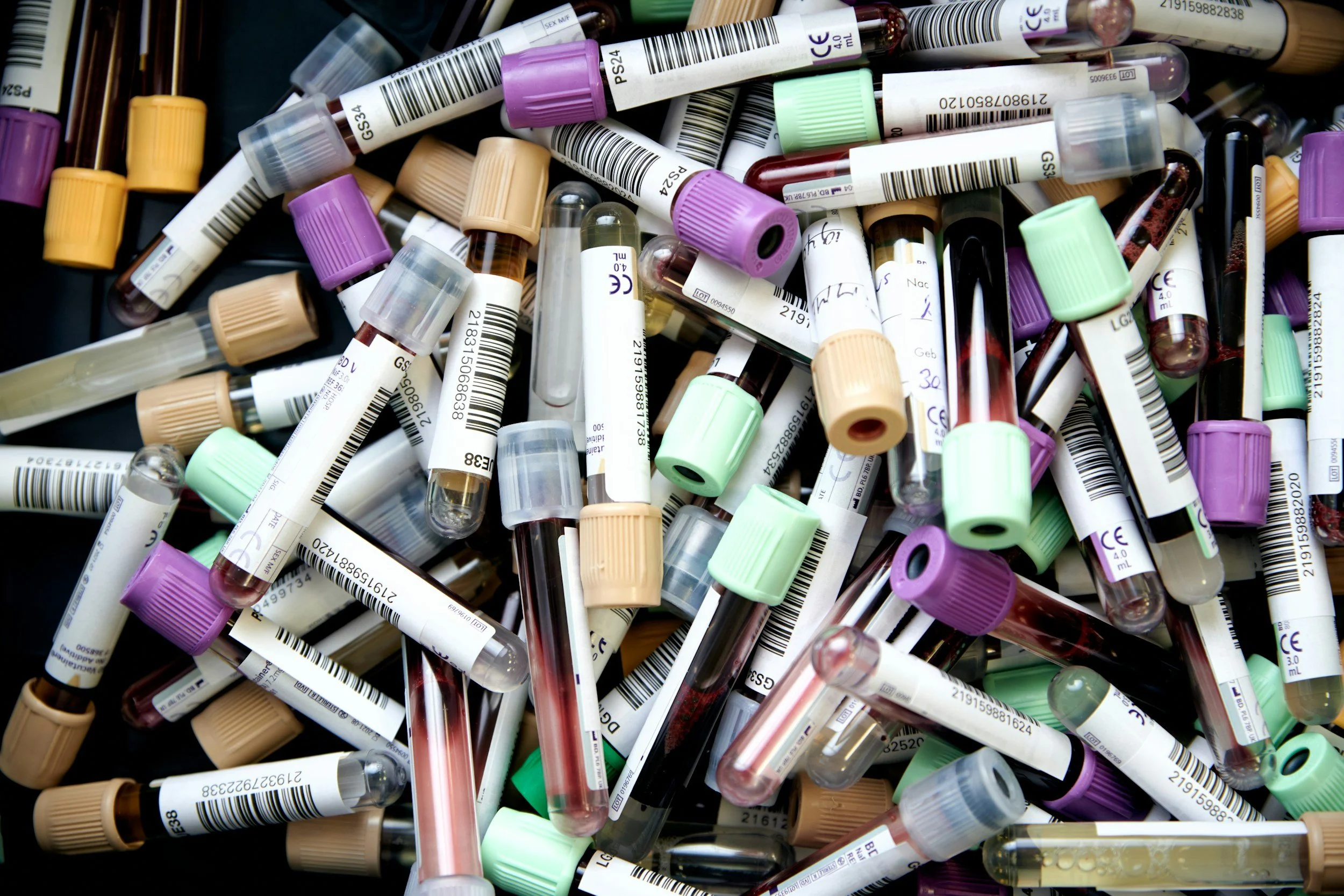
Researchers in Australia are currently developing something that could make fertility treatment a lot less… stabby: a hormone patch. Yes. A patch. As in: stick it on your skin and move on with your life; because currently, there’s a certain logistical circus that comes with fertility treatment. The early-morning blood draws. The clinic visits before work. The constant checking of hormone levels so doctors know exactly how to adjust medications. Your calendar becomes… intense.
The part of fertility treatments no one puts in the brochure… During an IVF cycle, hormone levels have to be monitored constantly. Doctors check things like estrogen levels to track how the ovaries are responding to medication. Traditionally, that means frequent trips to the clinic for blood tests. Sometimes every few days. Sometimes daily. Which means rearranging work schedules, commuting, waiting rooms, and a lot of logistical gymnastics.
The device that could change that… Researchers are working on a small at-home hormone monitoring device that could allow patients to test hormone levels themselves. Instead of traveling to a clinic for every blood test, patients would use the device at home. Once the hormones are measured, the results are automatically sent to their medical team. As fertility researcher Dr. Green explained, the system allows patients to Wi-Fi their hormone results directly to their doctor and nurse, who can then make clinical decisions remotely.
In other words, your medical team still gets the data they need — but you don’t necessarily have to sit in a waiting room to provide it.
Why this matters so much… IVF is already physically and emotionally demanding. The constant monitoring is medically necessary, but it can also make the process feel like your entire life revolves around clinic appointments.
A device like this could reduce the number of clinic visits, give patients more control over monitoring, allow doctors to adjust treatment remotely, and ake IVF slightly more manageable for people balancing work, family, and life. It doesn’t eliminate all the hard parts of fertility treatment. But it could remove some of the logistical chaos.
Read more: Revolutionary patch could transform IVF treatment for Australian women
GM News by: Sonia Tapley
Want to get the latest fertility and pregnancy news sent to your inbox?
*This is a sponsored post.