Wunmi’s “Squidgy Feet” and Our Compression Socks: A Love Story
Because when fertility treatment and pregnancy swelling hits, every woman learns the sacred power of stretchy pants, compression socks and pretending it’s all very chic.
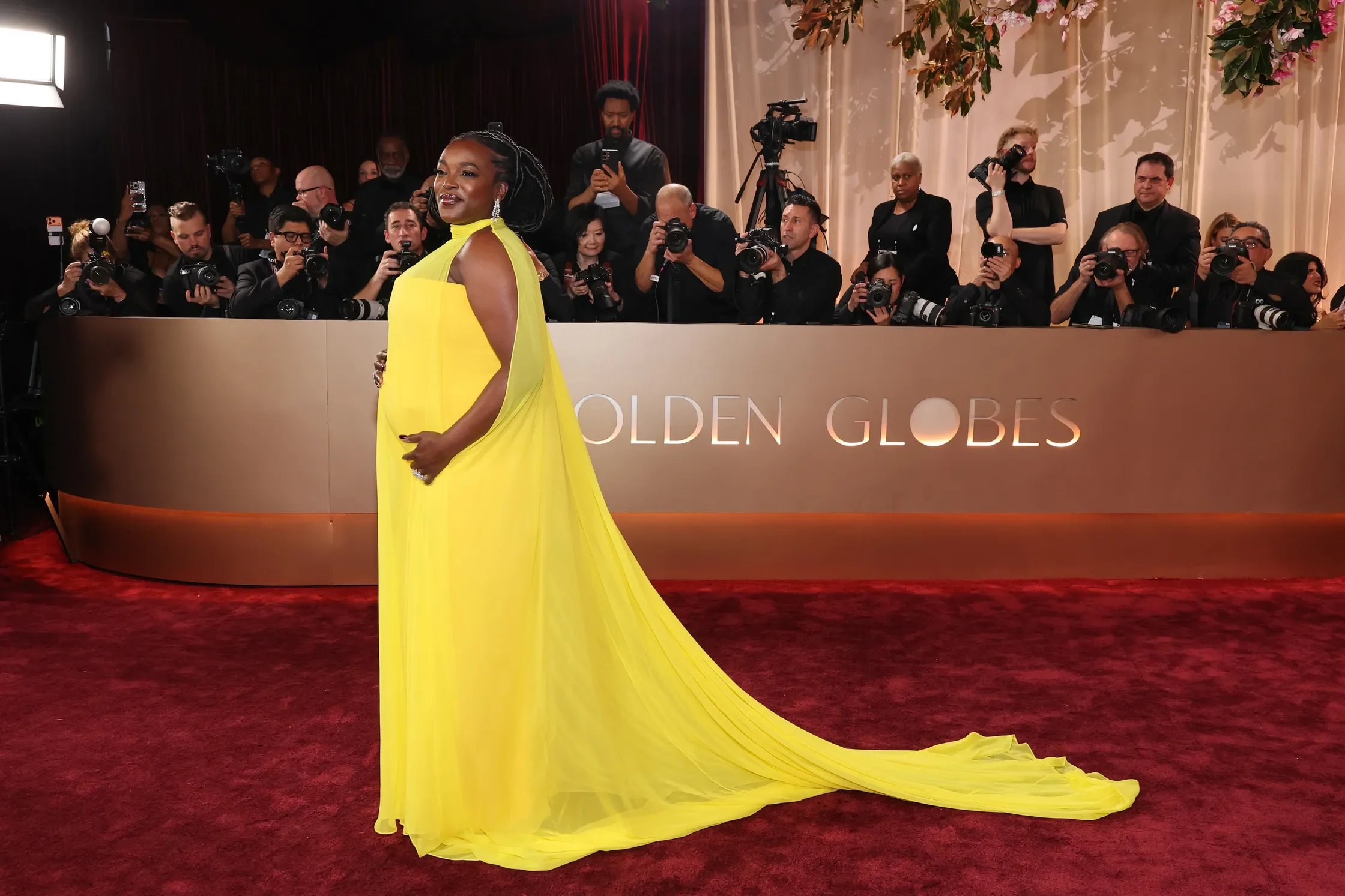
Photo: Getty Images
fertility newsMother Is Golden: How Wunmi Mosaku Quietly Redefined Pregnancy Style at the Golden Globes and the Oscars
When Wunmi Mosaku stepped onto the Oscars red carpet this year… in a sweeping green custom Louis Vuitton gown, it wasn’t just another celebrity maternity look. It was one of those moments where fashion, motherhood, and quiet confidence all showed up at the same time.
And at 39, pregnant with her second child after an intense awards season, Mosaku managed to do something many women recognize instantly: show up beautifully while carrying a whole lot more behind the scenes.
Wunmi revealed her pregnancy in January at the Golden Globes so she and baby “could truly enjoy and embrace the moment fully together”.
What made Mosaku’s moment stand out wasn’t a social media announcement or a headline-making reveal. In fact, it was the opposite. She simply appeared at the Golden Globes, visibly pregnant and glowing. “In Yoruba, we say Iya ni Wúrà which means ‘mother is golden’, so when I saw sketches of this beautiful custom yellow Matthew Reisman, I knew it was the right dress for this moment.”
It was what some fans called an “anti-announcement.” No spectacle. No build-up. Just a woman showing up as she was. And honestly? There’s something refreshing about that.
Fashion with meaning… Mosaku’s emerald green Oscars gown—structured, flowing, and unapologetically bold—was more than just red carpet style. It also subtly connected to a project she’s been working on: her brand Iyadé, a name derived from Yoruba meaning “mother has arrived.”
The concept behind the brand centers on something many women experience but rarely see reflected in fashion: the physical and emotional transitions that come with motherhood. Pregnancy changes the body in real time. Comfort becomes essential. Confidence can feel fragile. Mosaku’s approach suggests something different: that motherhood can still be styled with intention, dignity, and beauty. And that a pregnant woman doesn’t have to hide in oversized fabric just to be comfortable.
The joy and the fear… Mosaku has spoken openly in interviews about the complicated emotions that can come with motherhood; there is joy, of course. But there’s also a certain level of vulnerability that many mothers feel during pregnancy—particularly when navigating healthcare systems, birth plans, and the unknowns that come with bringing a new life into the world.
For many women, especially women who become mothers over the age of 35, and especially for black mothers, pregnancy carries both excitement and a quiet awareness of the risks and responsibilities ahead. Mosaku’s willingness to talk about both sides—the celebration and the caution—has resonated with many women watching from home.
The Cultural Shift Toward Later Motherhood… Another reason Mosaku’s moment matters is something many ‘Geriatric’ Mamas readers already know: more women are becoming mothers later in life. According to data from the Centers for Disease Control and Prevention, birth rates among women aged 35–44 have steadily increased over the past two decades. Women are building careers, traveling, finding partners later, or navigating fertility journeys that take time. So seeing a confident, visible pregnancy at 39 on one of the world’s biggest red carpets quietly reinforces something important: Later motherhood isn’t unusual anymore. It’s becoming normal.
The Oscars are usually about fashion, awards, and celebrity headlines. But sometimes they offer something more interesting. Sometimes they show a woman walking a red carpet while very pregnant with her answered prayer on board, clearly comfortable in her body, and doing it completely on her own terms. Motherhood arriving exactly when it was meant to.
parentingThe Great Unplug: Why 2026 is the Year of the “Analog” Parent
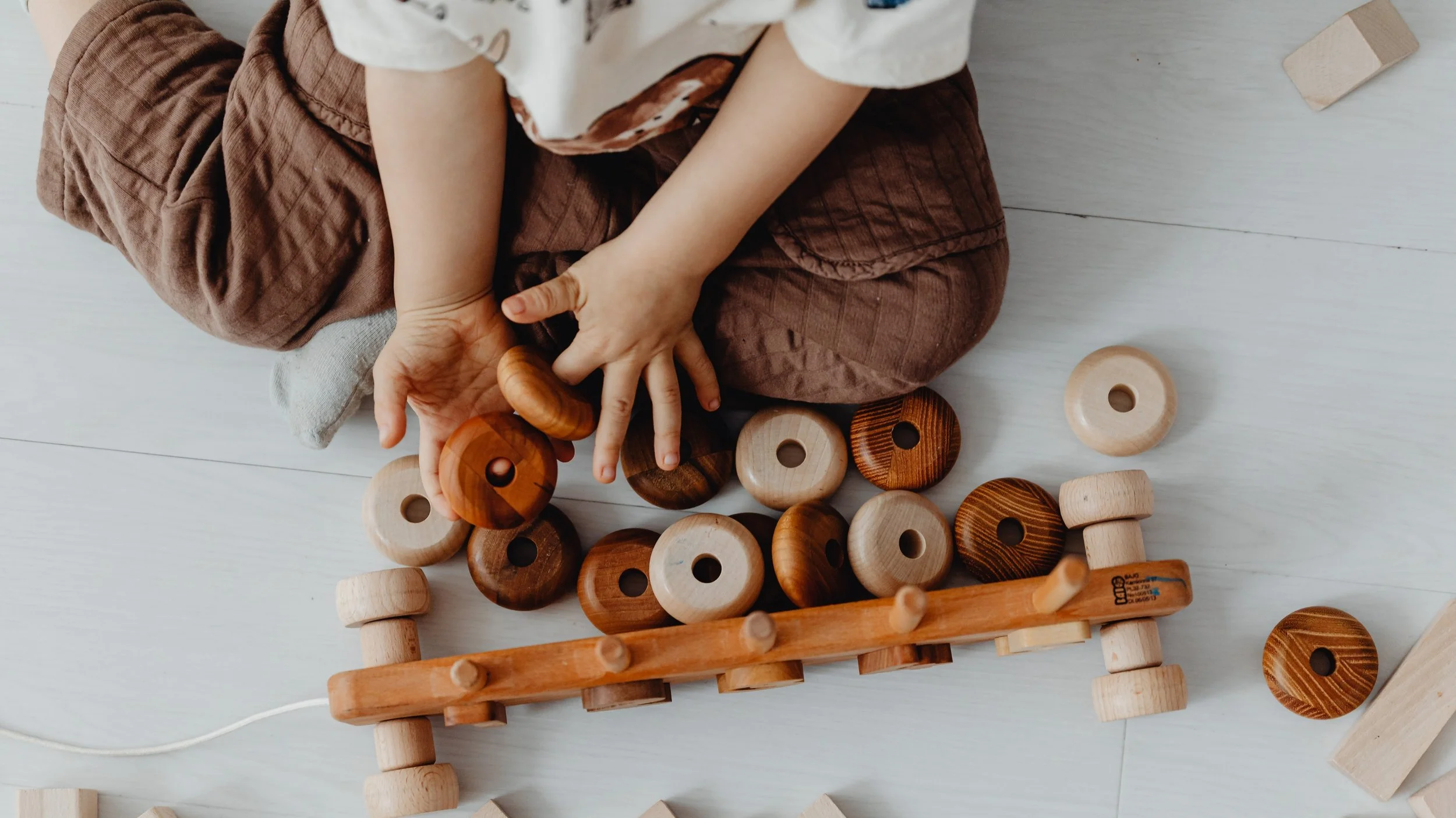
If you walk into a toddler’s playroom today, March 16, 2026… you might feel like you’ve stepped back into 1994. The flashing plastic tablets and "smart" cribs that dominated the early 2020s are gathering dust in garage sales. In their place? Wooden blocks, corded landlines for play, and the low-hum magic of "slow" media.
We are officially in the era of Analog Parenting… a movement fueled by a generation of mothers who are tired of competing with algorithms for their children's attention. From "iPad Kids" to "Earth Kids". The shift started as a trickle but has become a flood this spring. Parents are rejecting the high-stimulation "coco-sensory" loops of modern animation in favor of what experts call Low-Stim Media. Think of the original Sesame Street or Mister Rogers—shows with long cuts, soft colors, and gentle pacing that don't trigger a dopamine spike (and the subsequent meltdown when the screen turns off).
But it’s not just about the TV… "Analog Parenting" is a holistic vibe check for the modern home; the Return of the "Dumb" Toy: Sales of open-ended toys—silk scarves, wooden rainbows, and simple clay—have outpaced electronic toys for the first time in a decade; audio over Video: Tonies and Yoto players are the new "screens," allowing kids to control their environment through stories and music without the blue light strain, and the "Landline" Renaissance: More parents are installing basic home phones to teach kids how to communicate without handing them a smartphone at age six.
Why this is the "hope" We might all need… For the Trying to Conceive (TTC) community and new mothers, this trend offers a massive sigh of relief. The pressure to provide a "technologically advanced" childhood was expensive and exhausting. Analog parenting is accessible. It tells us that a cardboard box and a magnifying glass are better for a child’s brain than a $400 AI-powered robot. It’s about "Boundaries with Empathy"—protecting a child’s developing nervous system while reclaiming the parent's own mental space.
In a world that feels increasingly digital and "meta,"… the most radical thing we can do for our children is keep them grounded in the physical world. This week, as you navigate motherhood or the journey toward it, remember: you don’t need the latest gadget to be a "good" parent. You just need a little space, a lot of patience, and maybe a few wooden blocks.
Also this… Super Smalls Founder Shares: Why I’m Bringing Back Analog Joy for My Kids
what we're reaching for🤍 If your fertility supplement routine is starting to feel like a part-time job, consider this your intervention. Between the label-reading, capsule-counting, and late-night Google spirals, it’s easy to think more is better — but when you’re TTC, sometimes the smartest move is simplifying.
🤍 A space made for women deep in the fertility trenches — IVF, pregnancy after loss, high-anxiety pregnancies, the whole emotional roller coaster. Basically the opposite of someone telling you to “just relax.” More like: yes, this is hard, yes, it’s a lot, and no, you don’t have to white-knuckle your way through it alone.
🤍 Fertility hormones and bloating can make getting dressed feel like a personal attack. So here’s a comfort-first guide to clothes that actually feel good during fertility treatments — because the last thing you need while injecting hormones is pants that judge you.
🤍 We wanted a way to unwind without alcohol — especially during trimester zero, one, two, three… and honestly the rest of motherhood too. So after some very serious taste-testing (for research, obviously), this tincture became the one that actually made the cut.
the week at a glance 💌 Gwen Stefani recently opened up about how her Christian faith shapes her approach to motherhood and the possibility of another baby—reminding women everywhere that hope, patience, and belief often sit right alongside the realities of fertility and family planning.
💌 Ashley Emmerson spent years being told her crippling period pain was “just one of those things,” even as severe endometriosis quietly shaped her fertility journey. After miscarriages, an ectopic pregnancy, and countless moments of being dismissed by doctors, the 36-year-old is now holding twin daughters in her arms.
💌 Lesley Woods always knew she wanted to be a mother, even after life took unexpected turns—including a termination in her early twenties. Years later, she welcomed her first daughter through IVF at 45, and at 57 she became a single mother to twins.
💌 Chelsy Davy marked the UK’s Mother’s Day with a little extra joy this year, announcing the arrival of her third child on Instagram. The 40-year-old jewellery designer shared a sweet photo with her older children, Chloe and Leo, and her newborn son on her lap, reflecting on the meaning of the day and the women who shape our lives.
💌 ‘Geriatric’ Mama Jess Rizzieri is home for the week, so we’re cutting this newsletter short to give the miracle babies some much needed play time! Stay tuned on social media for stories and posts from the visit.
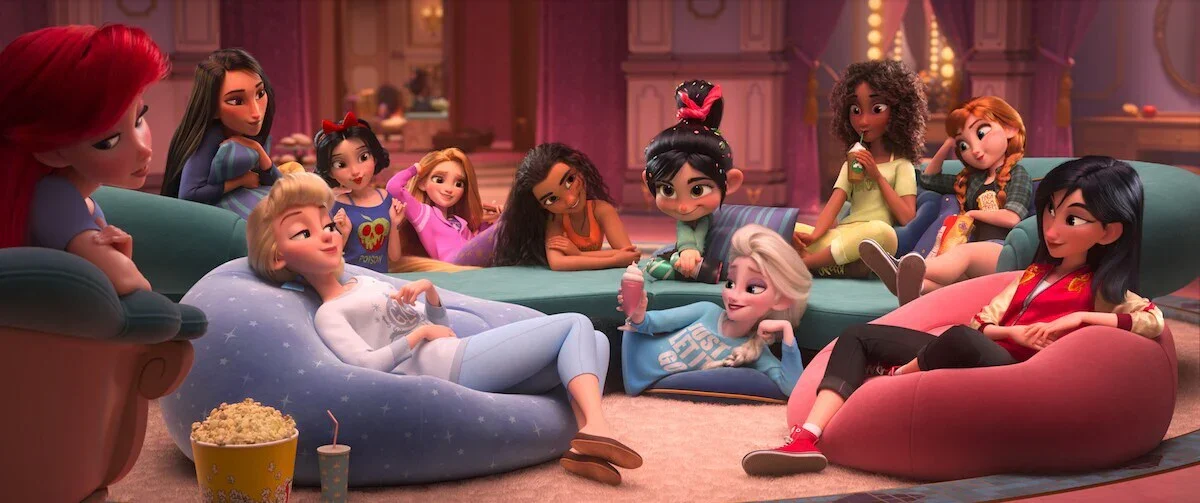
parenting newsThe Disney Parent Problem: Why Some Moms Are Side-Eyeing the Happiest Place on Earth
There’s a moment many parents have when watching a Disney movie with their kids… It usually happens about ten minutes in. The music swells. The scenery is magical. Everything feels cozy. And then suddenly… someone’s parent disappears.
Sometimes it’s a tragic backstory. Sometimes it’s a mysterious absence. Sometimes it’s a dramatic opening scene that makes every mom in the room quietly clutch her child. And lately, a growing number of parents online are asking the same question: Why are so many Disney stories about children navigating the world without their parents?
The pattern parents are noticing… Once you start looking for it, the pattern is hard to unsee in many Disney classics and modern favorites: Bambi loses his mother, Frozen begins with Anna and Elsa losing both parents, the Lion King famously opens with Simba losing his father, Cinderella and Snow White grow up without supportive parents, Moana defies parental guidance and sets off on her own journey, and Lilo & Stitch centers around sisters raising themselves after their parents’ death.
The theme isn’t new. In fact, Disney storytelling has relied on it for decades. Film historians say the absence of parents allows the child protagonist to become independent faster and drives the emotional arc of the story. But some parents are beginning to wonder how often children are absorbing the idea that the main adventure of life begins when parents are gone.
Why Disney stories often remove the parents… From a storytelling perspective, the explanation is surprisingly practical. Children’s literature scholars point out that removing parents from a story raises the stakes and gives the child hero autonomy. Without parents around, the child must solve problems themselves.
Disney didn’t invent this technique. It appears in classic fairy tales and children’s literature long before animation existed. Think: Hansel and Gretel, Peter Pan and Harry Potter. In storytelling terms, it’s a shortcut to independence. But in parenting spaces online, some moms say the repetition of the theme has started to feel… noticeable.
What parents are saying online… Across parenting forums like Reddit, Mumsnet, and Facebook parenting groups, conversations about Disney movies pop up regularly. One parent on a parenting forum wrote: “Why does every Disney movie start with the parents disappearing? I watched Bambi with my kid and realized how intense that actually is.” Another parent commented: “I loved these movies as a kid, but watching them as a parent hits differently. There’s always a dead parent in the first 20 minutes.” Others say they simply prefer to introduce the films later. “Some of those storylines are actually pretty heavy for toddlers.” It’s less a call for cancellation and more a quiet recalibration.
Disney actually anticipates this… Interestingly, many Disney films already include recommended viewing ages. Streaming platforms and Disney+ often suggest certain classic films for children age 7 and older, particularly those with intense emotional scenes. This isn’t necessarily about anti-parent messaging. It’s usually because the films contain themes of loss, danger, or emotional complexity that younger children may not fully understand. In other words: the movies were never really designed for two-year-olds. They were designed for slightly older children who could process those themes.
There’s another angle that parents occasionally raise… the idea that Disney movies can become emotional comfort objects for children. The music, characters, and repeated watching can create strong emotional bonds. Some critics argue that entertainment companies naturally want their stories to become part of childhood identity. Others say that’s simply what happens when stories resonate deeply with children. Most parenting experts say the key difference is co-viewing—watching together and talking about the themes.
Psychologists who study media and childhood development generally emphasize that children interpret stories differently depending on age and context. When children watch films with parents present, they often rely on those adults to help them process emotions and understand the story. The takeaway isn’t necessarily that Disney stories are harmful. It’s that storytelling works best when parents are part of the experience.
A lot of us grew up loving Disney movies… We know every lyric. We still cry when Simba sees the stars. But watching them as parents hits differently. You suddenly notice the plot points you didn’t see before. The emotional intensity. The missing parents. And you realize something important: kids don’t need unlimited screen access to magical kingdoms. They already have a story that matters more. It’s the one happening at home. And in that story, the parents or other caring adults are very much still here.
GM News by: Sonia Tapley
Want to get the latest fertility and pregnancy news sent to your inbox?
*This is a sponsored post.